
We asked you:
How do we tell the history of National Socialism today?
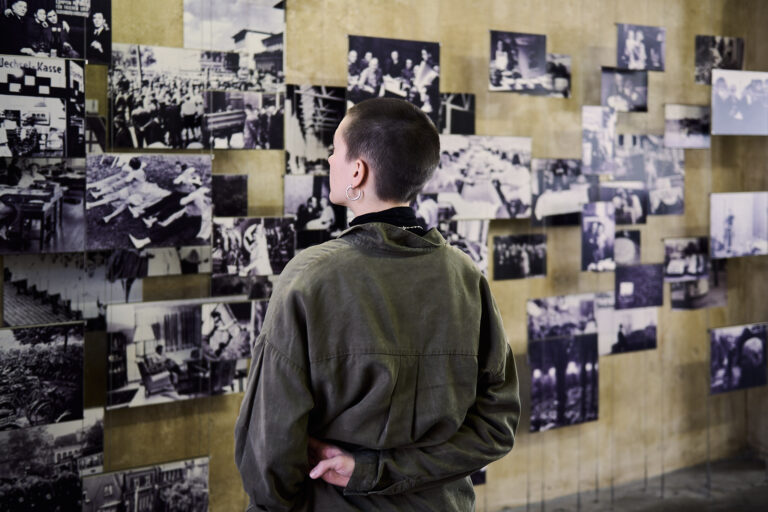
You have shared personal insights into your experiences with depictions of violence. Your views on how such images should be dealt with vary widely.
of you would like to have the chance to opt out when depictions of violence are shown.
of you would like a trigger warning when depictions of violence are shown.
of you would like to have contextual information about victims and perpetrators when depictions of violence are shown.
of you think it is important for museums to also show images of violence without warning.
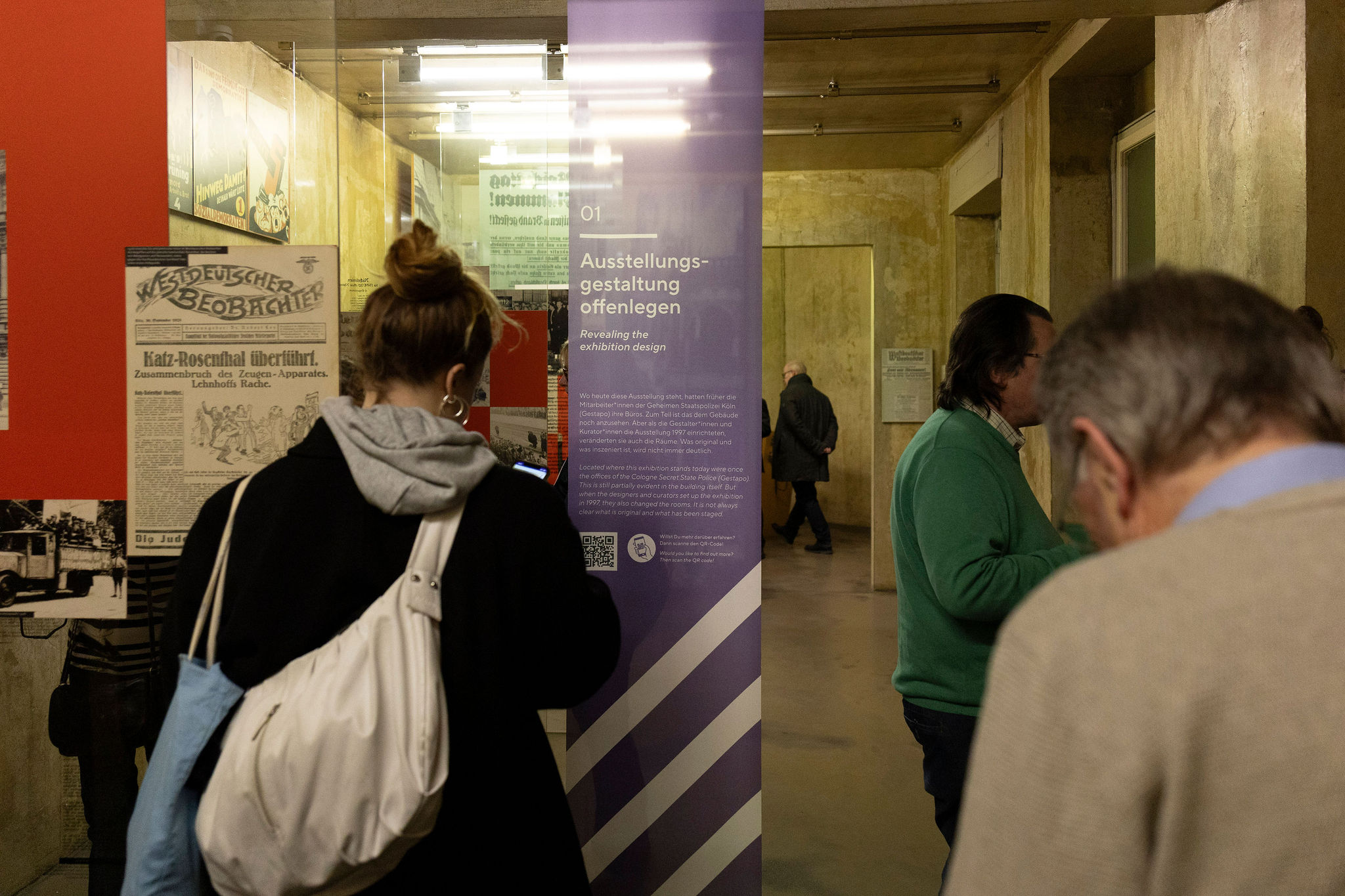
These are your impressions of the exhibition rooms:
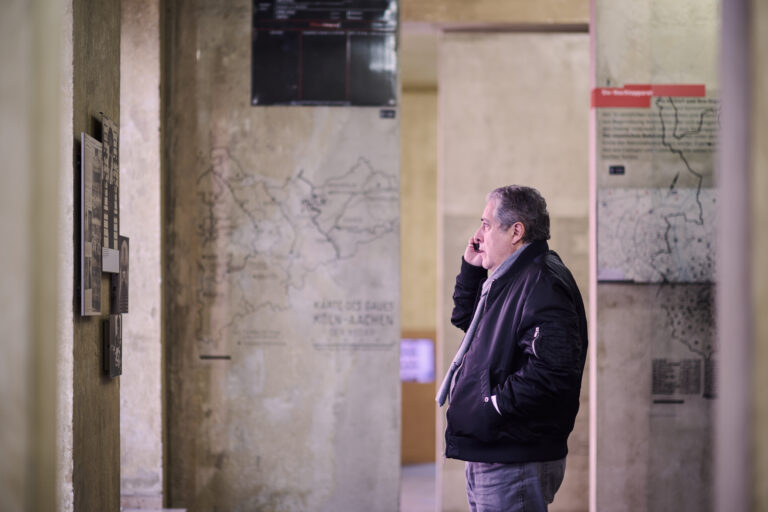
You commented on the language used in the exhibition:
- Some of you are bothered that terms from National Socialism are not marked as such.
- You criticize the fact that some phrasing suggests that Jews were not Germans.
- And some of you would like to see gender-neutral language.
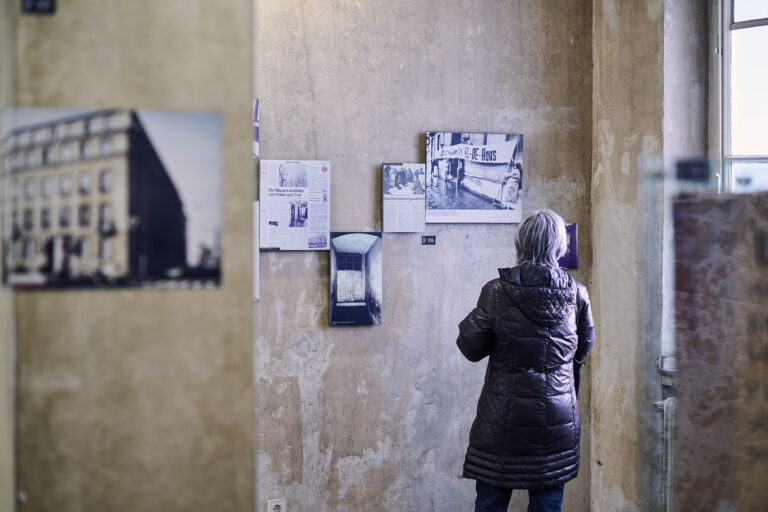
of you believe that the offices of the Gestapo headquarters looked similar to the rooms today.
disagree.
Most of you think that some things looked similar, while others didn’t.
Many of you are interested in what precisely occured in the rooms of the Gestapo headquarters.
of you knew that prisoners were also tortured in the offices.
New to many of you is that the Gestapo planned and organised the deportations of Jews in the EL-DE Haus.
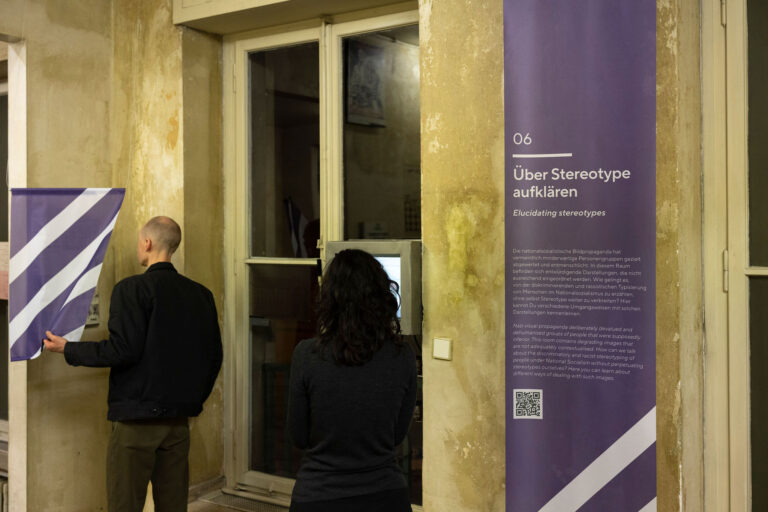
You feel that discriminatory representations should…
A. … no longer belong in museums.
B. … should be exhibited with trigger warnings or in special rooms.
C. … must be contextualised and explained by the curators or guides.
D. … speak for themselves and do not need to be contextualised.
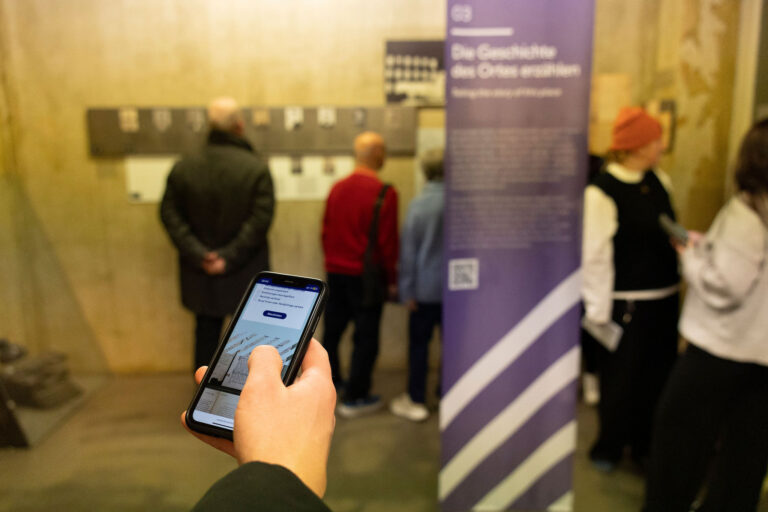
We were surprised that
of you are interested in how we select and process sources for exhibition.
of you believe: if only official sources are available for the biographies of victims of persecution, their one-sidedness must be made clear.
of you believe: if only official sources are available for the biographies of victims of persecution, these biographies should not be exhibited.
Some of you suggest presenting differently well-documented biographies and using creative approaches to highlight gaps and limited narrative possibilities.
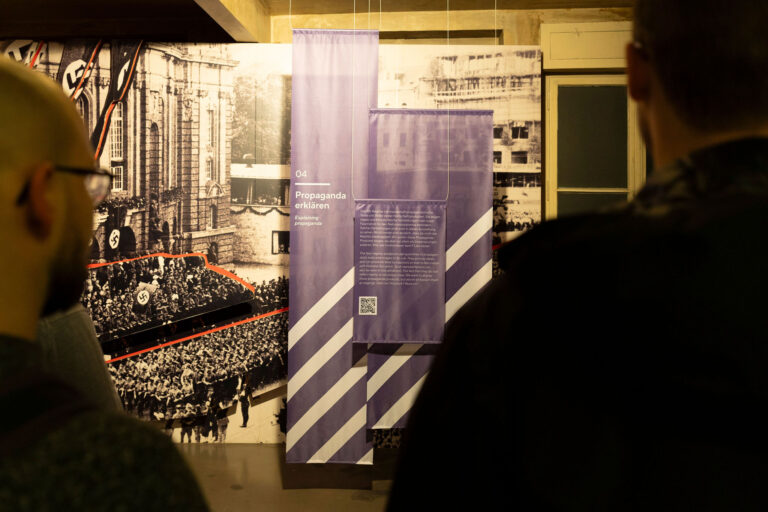
What you find particularly interesting for the future exhibition:
How did the people of Cologne benefit from the disenfranchisement, expropriation, and deportation of the Jewish population?
What disadvantages did people face who did not join the NSDAP or rejected Nazi ideology?
Thank you for your interest!
Credits:
1, 3 & 4 © NS-DOK / Nathan Ishar
2, 5-7: NS-DOK / Jörn Neumann